


Making a Lasting Power of Attorney in Singapore


A Lasting Power of Attorney lets you appoint someone you trust to make personal welfare and/or property and affairs decisions on your behalf, but only once you lose mental capacity. In Singapore, most people prepare this document themselves through OPG Online (OPGO) using LPA Form 1, then arrange certification with an accredited certificate issuer before submitting it to the Office of the Public Guardian for registration.
That last part trips people up. An LPA isn’t active the moment you sign it. It sits dormant, like an insurance policy, until a doctor certifies that you can no longer make your own decisions. Until then, you keep full control.
Here’s the fastest path for most Singapore residents:
Log into OPGO with Singpass and complete LPA Form 1.
Send the draft to your chosen Donee(s) and Replacement Donee for their acceptance, also done through OPGO.
Book an OPG-accredited certificate issuer to certify that you understand what you’re signing and aren’t under pressure.
The certificate issuer submits the application to OPG on your behalf.
Three things worth flagging before you start:
There’s a mandatory waiting period after submission before OPG will register the LPA.
The Ministry of Social and Family Development oversees the entire framework, and OPG maintains the actual register.
Most straightforward cases never need a lawyer. Form 1 covers general powers and is designed for self-service.
A power of attorney that only kicks in when you can no longer object to how it’s used is exactly why the certification step exists. The certificate issuer isn’t a rubber stamp. They’re your last line of defense against a badly drafted document or an LPA made under pressure.
Key Takeaways
An LPA only works if you prepare it while you have full mental capacity, choose Donees you genuinely trust, and complete every OPGO step before the mandatory three-week wait even starts.
Point | Details |
Start with Form 1 on OPGO | Most residents can complete this online using Singpass without hiring a lawyer. |
Pick Donees carefully | Choose people who are reliable, financially competent, and willing to act, then confirm via OPGO. |
Book a certificate issuer early | Certification is a legal safeguard, not a formality, and popular CIs fill up fast. |
Budget time, not just money | Expect roughly four weeks from OPG receipt to registration, including the mandatory wait. |
Get professional help for complexity | Elite Legacy Planning drafts Form 2 and coordinates trusts for business owners, cross-border assets, or multiple Donees. |
Table of Contents
What Is a Lasting Power of Attorney in Singapore and Why Bother Making One
An LPA is a legal deed. It has four moving parts: the Donor (you, the person granting the power), the Donee (the person you’re appointing), a possible Replacement Donee (a backup if your first choice can’t act), and the two categories of decisions covered: personal welfare and property and affairs.
You must be at least 21 years old and have mental capacity at the moment you sign, according to MSF. That capacity requirement is the whole point of the exercise. You’re making decisions now, while you’re clearly capable of making them, about who handles your affairs if a stroke, advanced dementia, or a serious accident later takes that ability away.
Why does this matter more than it sounds like it should? A few concrete reasons:
It skips court deputyship entirely, which is slower, more expensive, and requires ongoing court supervision.
It removes the guesswork for your family. Instead of siblings arguing over what mom “would have wanted,” a Donee already has the legal authority to act.
It covers medical and residential decisions, not just money. A Donee with personal welfare powers can consent to treatment or decide on care arrangements.
It lets you plan asset management in advance rather than leaving your family to reconstruct your intentions after the fact.
Doctors treating patients with progressive conditions consistently point to the personal welfare side as underrated. The Singapore Medical Association has noted that an LPA lets a Donor define care and treatment preferences in advance, which takes a real emotional burden off family members forced to guess during a crisis.
Pro Tip: Pair your LPA with an Advance Care Plan (ACP). The LPA tells your Donee who has authority; the ACP tells them what you’d actually want done. Without the second document, even a well-meaning Donee is often just guessing at your medical preferences.
What Powers Can an LPA Grant, and What Do They Look Like in Practice
Personal welfare powers and property and affairs powers work differently, and most people underestimate how granular you can get with either one.
Personal welfare covers where you live, who provides your day-to-day care, and (subject to what your Donee is legally permitted to consent to) medical treatment decisions. Picture a Donor with early-stage dementia. As the condition progresses, the Donee might need to decide whether the Donor moves into a nursing facility, or whether a particular treatment plan is appropriate. Those are personal welfare calls.
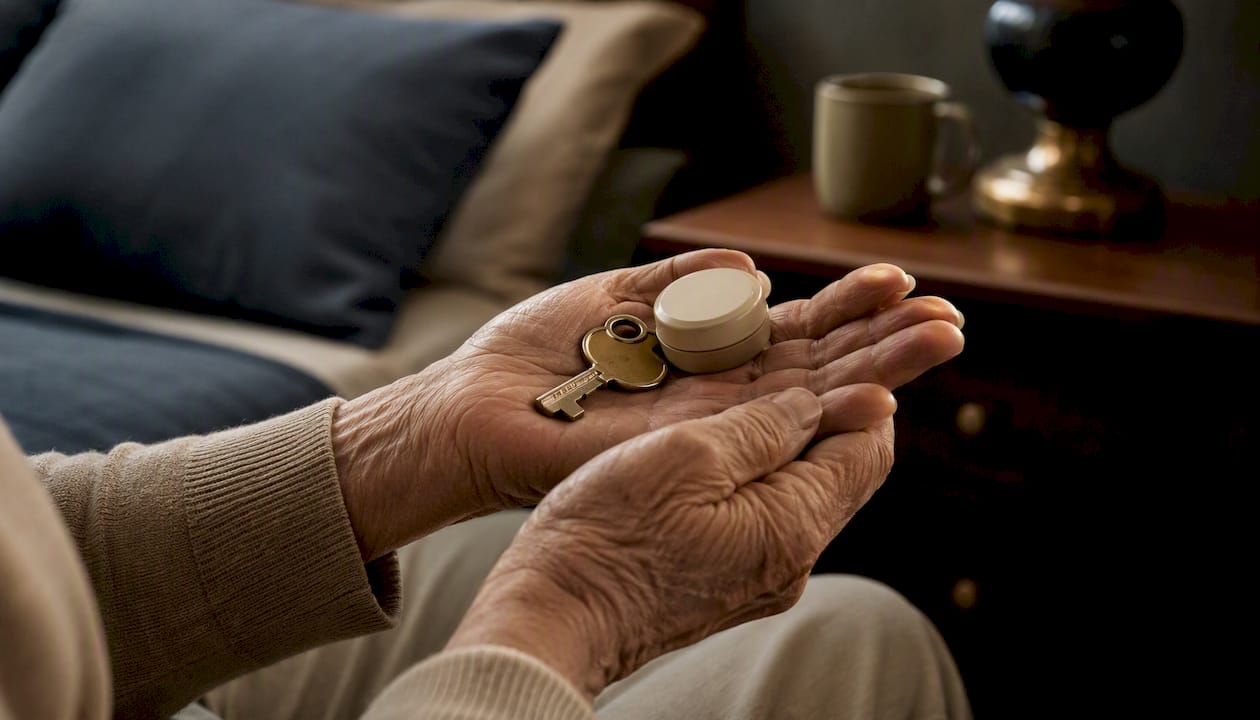
Property and affairs covers bank accounts, bill payments, insurance, and — subject to whatever limits the LPA specifies — property transactions. Think of a Donor who suffers a sudden incapacitating injury, say a severe stroke, with mortgage payments, CPF matters, and a small rental property still needing active management. A Donee with property and affairs powers keeps that machinery running instead of freezing overnight.
You can grant both categories in the same LPA, and most people do. The legal expectation is straightforward: Donees must always act in the Donor’s best interests, not their own convenience. That standard is baked into how the whole system is designed to function, and it’s why certificate issuers scrutinize the document before it ever reaches OPG.
Sudden incapacity (stroke, coma, severe injury) tends to trigger property and affairs powers first, since bills and accounts don’t pause for a hospital stay.
Progressive conditions (dementia, Parkinson’s) usually bring personal welfare powers into play gradually, often well before property affairs become urgent.
Who Can Make an LPA and Who Should You Appoint as Donee
You need to be 21 or older with mental capacity at the time of signing. That’s the entire eligibility bar for a Donor. There’s one additional wrinkle worth knowing: if you’re an undischarged bankrupt, you generally cannot act as a Donee for property and affairs matters, even if you’re perfectly capable in every other respect.
Choosing a Donee is really a trust exercise disguised as a legal form. Consider these factors:
Reliability under pressure. Will this person actually show up when a decision needs to be made quickly, or do they tend to avoid conflict and defer everything?
Financial competence, particularly if you’re granting property and affairs powers over meaningful assets.
Proximity and availability. A Donee overseas can still act, but time zones and travel complicate urgent decisions.
Willingness. Don’t assume. Ask the person directly before naming them, since they’ll need to formally accept via OPGO anyway.
You can appoint multiple Donees, and here’s where the wording matters: jointly means all Donees must agree and act together on every decision, while jointly and severally means any one Donee can act independently. Jointly and severally is more practical for day-to-day matters like paying bills, but some families prefer requiring joint agreement for anything above a certain dollar threshold, precisely to prevent one person from acting unilaterally on major decisions.
Pro Tip: Run a simple three-question test before naming a Donee: Would I trust this person with my ATM card and PIN? Would they make time for this even if it’s inconvenient? Have they ever handled money responsibly under stress? If any answer is no, keep looking.
LPA Form 1 vs Form 2: Which One Do You Actually Need
Form 1 is the standard version, covers general personal welfare and property and affairs powers, and you can complete it yourself on OPGO without a lawyer. MyLegacy@LifeSG confirms most residents fall into this category. Form 2 requires drafting by a practising Singapore solicitor and exists for situations Form 1 wasn’t built to handle.
You need Form 2 if any of the following applies to you:
You want to appoint more than two Donees.
You want more than one Replacement Donee.
You need customized, granular instructions rather than general powers (for example, specific conditions on when a Donee can sell a particular property).
You have a business, cross-border assets, or investment holdings that need bespoke handling instructions.
Practitioners see Form 1 cover the majority of everyday cases, but complex estates or active businesses genuinely need Form 2 drafting to avoid rejection or disputes down the line, according to guidance from MSF. If you answer yes to even one of the triggers above, don’t try to force your situation into Form 1’s structure. It’s not built for it, and OPG can reject or flag applications that stretch beyond what the standard form permits.
Factor | Form 1 | Form 2 |
Who can prepare it | You, directly on OPGO | Must be drafted by a practising Singapore solicitor |
Number of Donees | Up to two | More than two permitted |
Replacement Donees | One | More than one permitted |
Customization | General powers only | Bespoke clauses, conditions, and reporting requirements |
Typical legal fees | None required | Solicitor’s drafting fees apply, on top of application fees |
How to Prepare, Certify, and Register an LPA Through OPGO
The entire process runs through four sequential stages, and skipping ahead doesn’t work because each stage depends on the one before it.
Prepare the LPA on OPGO. Log in with Singpass, select Form 1, and enter your details along with those of your Donee and Replacement Donee. Have their NRIC numbers and contact details ready before you start.
Donee acceptance. Your named Donee(s) and Replacement Donee receive a notification (SMS or email) and must formally accept their appointment through OPGO, also using Singpass. Nobody becomes a Donee by default; acceptance is a separate, required action.
Certification. You visit an OPG-accredited certificate issuer, who confirms you understand the document, checks you’re not under duress, and certifies the LPA. This can sometimes be done with a digital signature via Singpass, depending on the certificate issuer’s setup.
Submission and registration. The certificate issuer submits the certified application to OPG through OPGO on your behalf, according to MyLegacy@LifeSG. From there, the mandatory three-week waiting period begins before OPG proceeds with registration, assuming no valid objections are raised.
Bring these items to your certificate issuer appointment:
Your NRIC and Singpass access on your phone.
Contact details for your Donee(s) in case the CI has questions.
Any notes on specific powers you want clarified, even though Form 1 covers general powers only.
The three-week wait isn’t a bureaucratic delay for its own sake. It’s a built-in objection window, giving anyone with a legitimate concern about the LPA time to flag it to OPG before registration finalizes. Combined with certificate issuer scrutiny, it’s one of two safeguards baked directly into the process, according to MyLegacy@LifeSG.
Who Can Certify Your LPA and How to Find One
Certificate issuers fall into three categories: OPG-accredited medical practitioners, registered psychiatrists, and practising lawyers. Anyone with a conflict of interest, such as a close relative of the Donor or someone who stands to benefit from the LPA, is disqualified from certifying it.
Their job isn’t clerical. A certificate issuer must confirm you have the mental capacity to understand what you’re signing, verify you’re not being pressured or coerced, witness your signature, and only then certify the document for submission. MSF is explicit that this checkpoint exists to guard against exactly the kind of family pressure or financial manipulation that makes LPAs vulnerable to abuse if left unchecked.
If there’s genuine doubt about a Donor’s capacity, the certificate issuer can and should refuse to certify. That’s precisely why estate planners recommend starting the LPA process while you’re clearly, unambiguously capacitated, rather than waiting until a diagnosis makes the timeline murky.
To find one:
Check the Office of the Public Guardian’s list of Certificate Issuers, which includes a searchable map of accredited professionals.
Some polyclinics and community health centers offer certificate issuer services at lower or subsidized rates for eligible applicants.
Before booking, ask directly: What’s your fee? Can you certify remotely or does it require an in-person visit? What’s your earliest availability?
What an LPA Costs and How Long Registration Actually Takes
The application fee depends on your residency status. As of the current fee schedule, Singapore citizens pay no fee for Form 1 applications, permanent residents pay $30, and foreigners pay $160. From 1 April 2026, that citizen fee waiver for Form 1 becomes formalized, with reduced fees for other applicant categories following from 1 May 2026, according to MSF.
Applicant category | Form 1 application fee |
Singapore citizen | Free |
Permanent resident | $30 |
Foreigner | $160 |
Form 2 applications follow a separate published schedule and come with solicitor’s drafting fees on top, which vary depending on how complex your instructions are.
Certificate issuer fees sit outside the government fee schedule entirely and are set by the individual professional. Expect the fee to vary depending on whether you’re seeing a doctor, psychiatrist, or lawyer, and whether the appointment happens in a private clinic or a subsidized community setting. Ask upfront rather than assuming a flat rate.
Timeline matters here, and people consistently underestimate it. The mandatory three-week waiting period starts only after your certificate issuer submits the completed application. Add that to the certificate issuer booking wait (which varies) and you’re generally looking at around four weeks from OPG’s receipt of your application to registration, assuming no objections arise, per MyLegacy@LifeSG.
Book your certificate issuer appointment as early as possible; popular CIs get booked out weeks in advance.
Watch for SMS or email notifications regarding payment steps, since OPGO handles some of this digitally.
Don’t wait until a health scare to start the process. The capacity requirement means timing is everything.
How Your Donee Actually Uses a Registered LPA
Registration alone doesn’t activate anything. Before a Donee can act, a registered medical practitioner must certify that the Donor genuinely lacks mental capacity. Only then does the LPA’s authority switch on.
Once that certification exists, Donees must make a statutory declaration confirming they’re acting within the scope of their authority. This isn’t a formality to skip. Making a false statement here carries real legal penalties, as outlined in MSF’s official LPA guide.
From there, your Donee will typically need to notify several institutions and produce documentation:
Banks, which usually want the registered LPA, the medical certification, and the Donee’s own identification before unfreezing account access.
Property agents or conveyancing lawyers, if the LPA covers a pending sale or lease.
CPF Board and IRAS, where certain matters may require the LPA on file before a Donee can act.
Insurance providers, particularly for claims or policy changes tied to the Donor.
Pro Tip: Don’t wait for a crisis to introduce your LPA to your bank. Many institutions let you register a Donee’s details on file in advance, so when the time comes, you’re not scrambling to produce certified copies while also managing a medical emergency. Keep at least two certified copies in a location your Donee can access without needing your original signature.
What Happens If You Never Made an LPA
Without a registered LPA, nobody automatically has legal authority to manage your affairs if you lose capacity. Not even a spouse. Someone, usually a family member, has to apply to the Court for a deputyship order under the Mental Capacity Act.
That process is slower, more expensive, and stays under ongoing court supervision, unlike an LPA which, once registered, operates independently. MyLegacy@LifeSG is direct about this contrast: deputyship exists precisely because someone didn’t plan ahead, and it costs the family in time, money, and flexibility.
Practical consequences pile up fast. Bank accounts can freeze while the application is pending, sometimes for months. The Court may restrict exactly what the deputy can do, requiring separate approval for decisions an LPA Donee could make without asking anyone. Legal and administrative costs accumulate throughout, and the whole process typically takes considerably longer than the roughly four weeks an LPA registration requires.
Deputyship is what happens when a family runs out of options, not what they choose when they have one. For most people with time, capacity, and a functioning relationship with at least one trusted person, there’s no good reason to leave this to a court.
How to Revoke or Change an LPA Later
You can revoke an LPA at any point, provided you still have mental capacity when you do it. That last condition matters: once capacity is lost, you generally can’t revoke or amend the document yourself, which is exactly why getting the LPA right at the outset carries more weight than people assume.
To revoke, you’ll need to formally notify both your Donee(s) and OPG that the LPA is no longer valid. Verbal notice to family isn’t sufficient; OPG’s records need to reflect the change for it to have legal effect.
If you want to change powers or replace a Donee rather than cancel everything, the practical route is preparing a new LPA and registering it, while properly revoking the old one so there’s no ambiguity about which document governs. Keep a clear record of:
The date of revocation and who you notified.
Any institutions (banks, property agents) that had the old LPA on file, so they can be updated.
A copy of the new LPA once registered, stored alongside your other estate documents.
Choosing Donees Wisely and Building In Real Safeguards
Beyond the basic trust criteria covered earlier, the strongest LPAs build in structural protections that reduce the odds of disputes or misuse down the line.
Consider layering in these safeguards, particularly through Form 2 if your situation calls for it:
Require joint approval for transactions above a set threshold, even if your Donees otherwise act jointly and severally for routine matters.
Appoint a Replacement Donee so there’s no gap in coverage if your first choice becomes unavailable or unwilling.
Set reporting expectations, such as periodic account summaries shared with a family member or professional adviser, particularly for larger estates. This kind of reporting frequency requirement is something a solicitor can build into a Form 2 drafting.
Watch for red flags around the signing itself: unexplained urgency, a Donee who insists on being present during certification, or pressure to bypass the certificate issuer’s independent assessment entirely.
Pro Tip: For high-value property or investment accounts, consider requiring two signatures on transactions above a specific amount, or scheduling an independent account review every year or two. These small additions cost little to set up but make misuse considerably harder to hide.
When It’s Time to Bring in a Lawyer or Estate Planner
Certain situations move past what a self-prepared Form 1 can reasonably handle. Consider professional help if any of these apply:
You need Form 2 because of multiple Donees, customized clauses, or complex conditions.
You own an active business that needs succession instructions built into your broader estate plan.
You hold cross-border assets, meaning property, accounts, or investments outside Singapore that could complicate how a Donee exercises authority.
Your estate involves trust structures or tax planning considerations that go well beyond a standalone LPA.
A firm like Elite Legacy Planning typically handles Form 2 drafting, coordinates bespoke clauses around reporting and joint approvals, sets up trust structures that work alongside your LPA, and can refer you to a suitable certificate issuer once your documents are ready.
Before a consultation, gather a rough list of your assets, current will (if you have one), and any specific concerns about who should act as Donee. Ask about expected timelines, since Form 2 drafting takes longer than a straightforward Form 1 filing, and get a clear sense of fees before committing.
What Practical LPA Planning Actually Requires
Most people treat an LPA like a form to fill out once and forget. That’s the wrong mental model. The document itself matters less than the thinking behind it: who genuinely has your trust, what specific powers they’ll need, and whether your estate is simple enough for Form 1 or complicated enough to warrant a solicitor’s involvement.
The gap I keep seeing is timing. People wait until a parent’s memory starts slipping, or until a health scare puts capacity in question, and by then the certificate issuer has a genuine, defensible reason to hesitate. The safeguard that protects vulnerable Donors from coerced or rushed LPAs is the same safeguard that can delay a perfectly well-intentioned family. Plan while capacity isn’t in doubt, not after.
Affluent families with property across multiple jurisdictions, active businesses, or blended family structures tend to underestimate how quickly Form 1’s general powers run out of runway. A trust structure alongside your LPA, or a properly drafted Form 2 with reporting safeguards built in, often does more to protect an estate than people expect going in. Elite Legacy Planning works through exactly these scenarios with clients, and every consultation stays confidential, tailored to the specific complexity of the estate in front of us.
How Elite Legacy Planning Supports Your LPA and Broader Estate Plan
If your situation involves more than a straightforward Form 1, that’s exactly where Elite Legacy Planning’s estate planning experience becomes useful. We handle Form 2 drafting for clients who need customized powers, multiple Donees, or business succession instructions folded into their LPA strategy, and we coordinate that work alongside broader tools like a comprehensive will or a living trust so nothing sits in isolation.

A first consultation typically starts with a review of your existing documents, if any, and a conversation about your assets, family structure, and what you actually want your Donees or trustees empowered to do. Everything discussed stays confidential, and we tailor recommendations to the complexity of your estate rather than pushing a one-size template. If you own property that needs specific handling instructions, our property trust service pairs well with property and affairs powers under an LPA. For readers managing property-related transactions more broadly, resources like this property decoupling guide offer useful background on structuring ownership.
Ready to get your LPA and broader estate plan properly coordinated? Book a consultation online and bring a rough list of your assets and any questions about Donees. If you’d rather speak with someone first, you can also reach out through our general contact page before scheduling.
Official Resources for Making Your LPA
MSF’s overview of Lasting Power of Attorney, covering eligibility, definitions, and the legal framework.
OPG Online (OPGO), the portal for preparing, submitting, and tracking your LPA application.
MyLegacy@LifeSG’s step-by-step LPA guide, which walks through the entire process in sequence.
MSF’s directory for finding a Certificate Issuer, including accredited doctors, psychiatrists, and lawyers.
MSF’s official LPA guide (PDF), useful for the full legal detail on Donee obligations.
MoneySense’s plain-language LPA explainer, a good starting point if the official pages feel too dense at first read.
For in-person or phone assistance, ServiceSG counters can help with general guidance on government e-services, including navigating OPGO if you’re less comfortable completing the application digitally.
Frequently Asked Questions
Does an LPA replace my will? No. An LPA only operates while you’re alive and covers decisions made on your behalf during incapacity. A will only takes effect after death and covers asset distribution. Most estate plans need both, and Elite Legacy Planning routinely coordinates the two so instructions don’t conflict.
Can I make an LPA if I already have early signs of memory loss? It depends on whether you still have capacity at the time of signing, which the certificate issuer will assess directly. This is exactly why professionals recommend starting the process as early as possible, well before any diagnosis creates doubt.
What if my Donee lives overseas? They can still accept the appointment through OPGO, but consider whether distance will slow down decisions that need quick action, particularly for property and affairs matters.
How is LPA vs deputyship different in practice? An LPA is something you set up in advance while capacitated, and it operates without ongoing court involvement once registered. Deputyship happens after capacity is already lost, requires a court application, and stays under court supervision throughout.
Can I have both personal welfare and property and affairs powers in one LPA? Yes, and most Form 1 applications include both categories, since it avoids needing separate documents for different types of decisions.
This article is general information, not a substitute for advice from a qualified lawyer. Consult a qualified legal professional about your own circumstances before acting on anything here.
Sources
Recommended
Comments